
(Excerpts from "The Pursuit of Dreams")
by: Hideo Otani
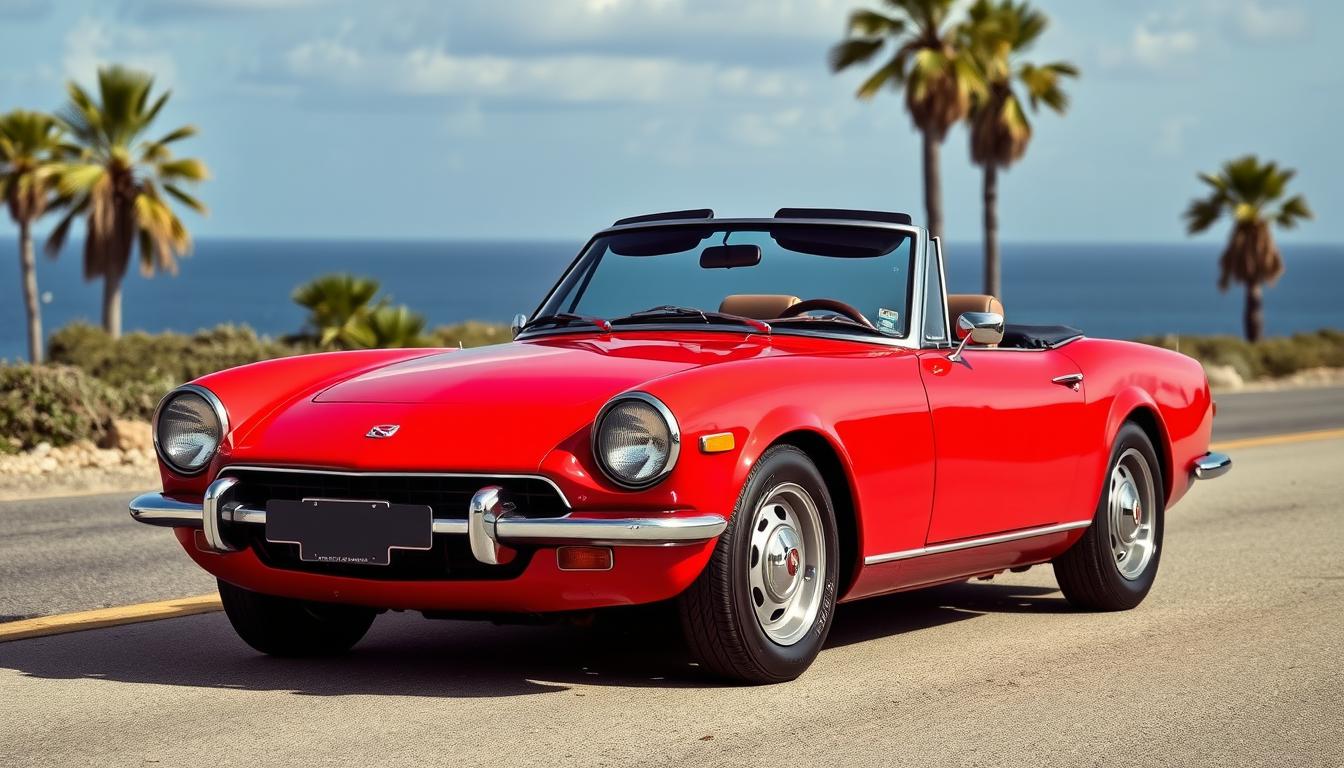
Honda has always been a maverick company. When Soichiro Honda decided to move up from motorcycles to cars, he did it his way: with a string of super little open two-seat sports cars that were simply brimming with technical innovation and were so neat to look at and to drive. The first of these was the S500 and the date was October 1963.
(L-R) S500, S600, S800
|
Nobody really knows when Soichiro Honda first decided to build cars. It might have been around 1958 when Yoshio Nakamura who was later to become project leader for the Honda Sports series and highly respected manager of Honda's first F1 team joined the company.
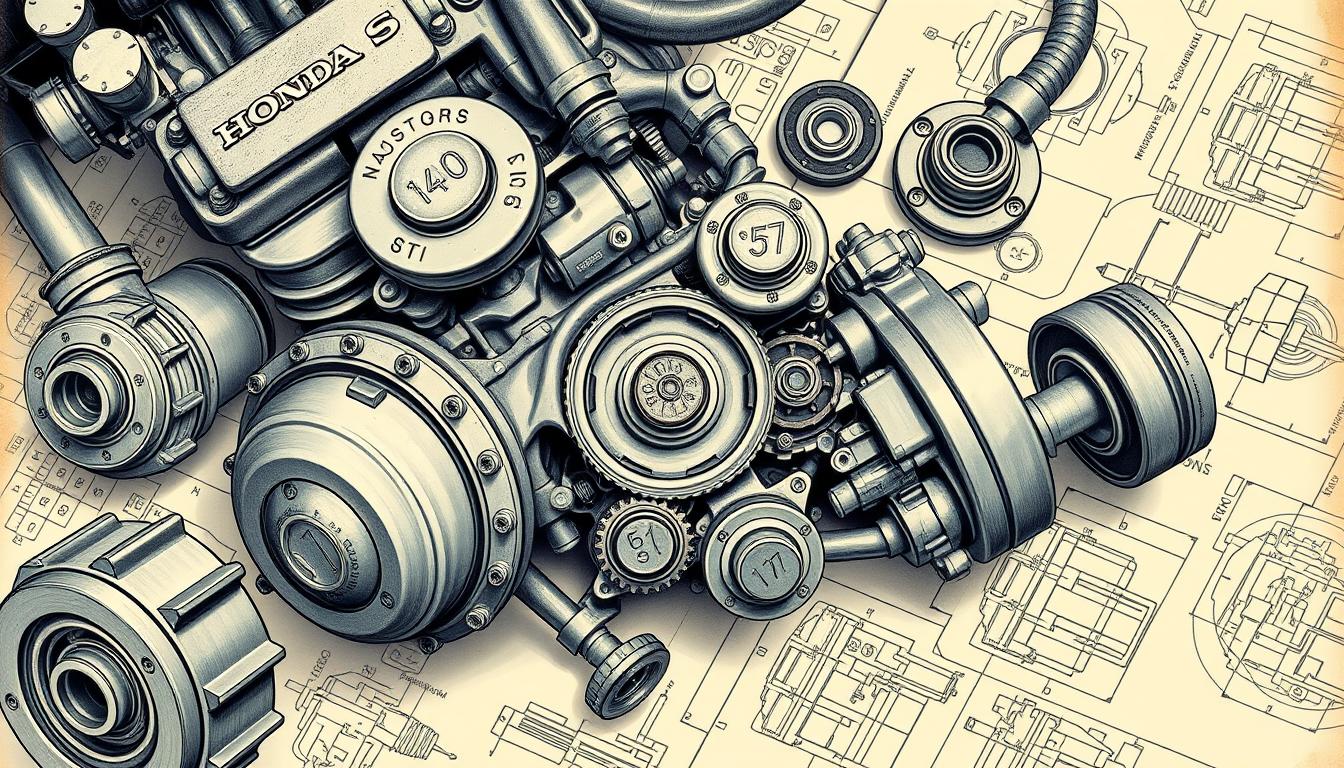
In early 1959, the study group came up with its first prototype called X170. Power came from a remarkable unit, truly worthy of Honda at its most inventive: a 360 cc air-cooled V4 with overhead cam, the engine mounted longways on the front of a basic platform chassis covered with only rudimentary bonnet and soft top. No body panels.
At the ninth Tokyo Motor Shop in October 1962, the Honda S360 made its official debut. At the show, a scarlet coloured S500 was on display along with a metallic silver S360. Honda had already realised the 360 cc engine lacked power and had built up a bigger 492 cc version with bore/stroke ratio of 52/58 mm.
The S500 finally went on sale just after the 10th Tokyo Motor Show. The S360 was quietly dropped. The production version of the Honda Sports was much improved. It was 135 mm wider and had a larger 531 cc engine (54 x 58 mm) than the final prototype.
To understand just what a sensation the Honda Sports was, we need to do some cross-examination of the Japanese car industry of the time. In those days, most cars had a iron block ovh engine and usually just one carburettor. If there were two carburettors, it became a "sports model". Alongside these engines, the Honda was almost from another planet.
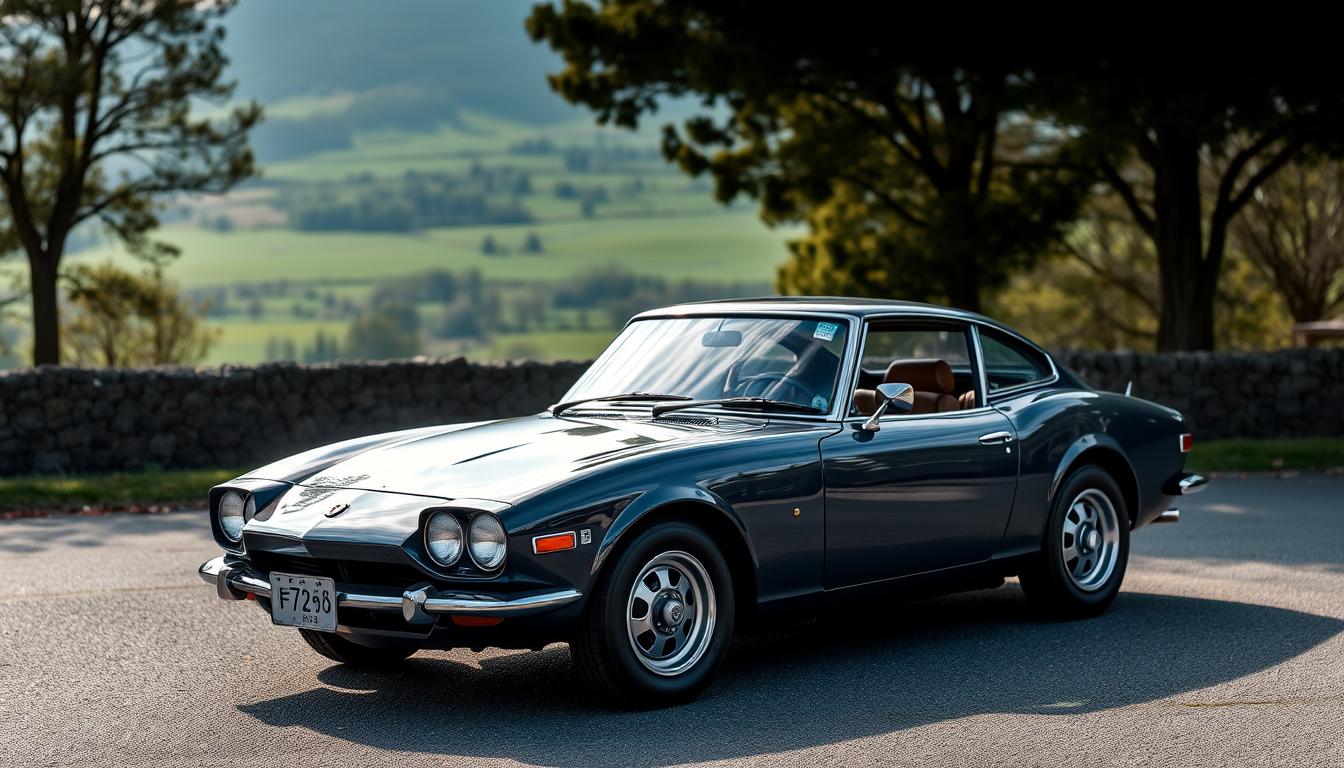
With all the hi-tech complexity in such a tiny body, the S500 deserved to be called a "small giant". Yet it was its beautiful body style that also captivated so many people.
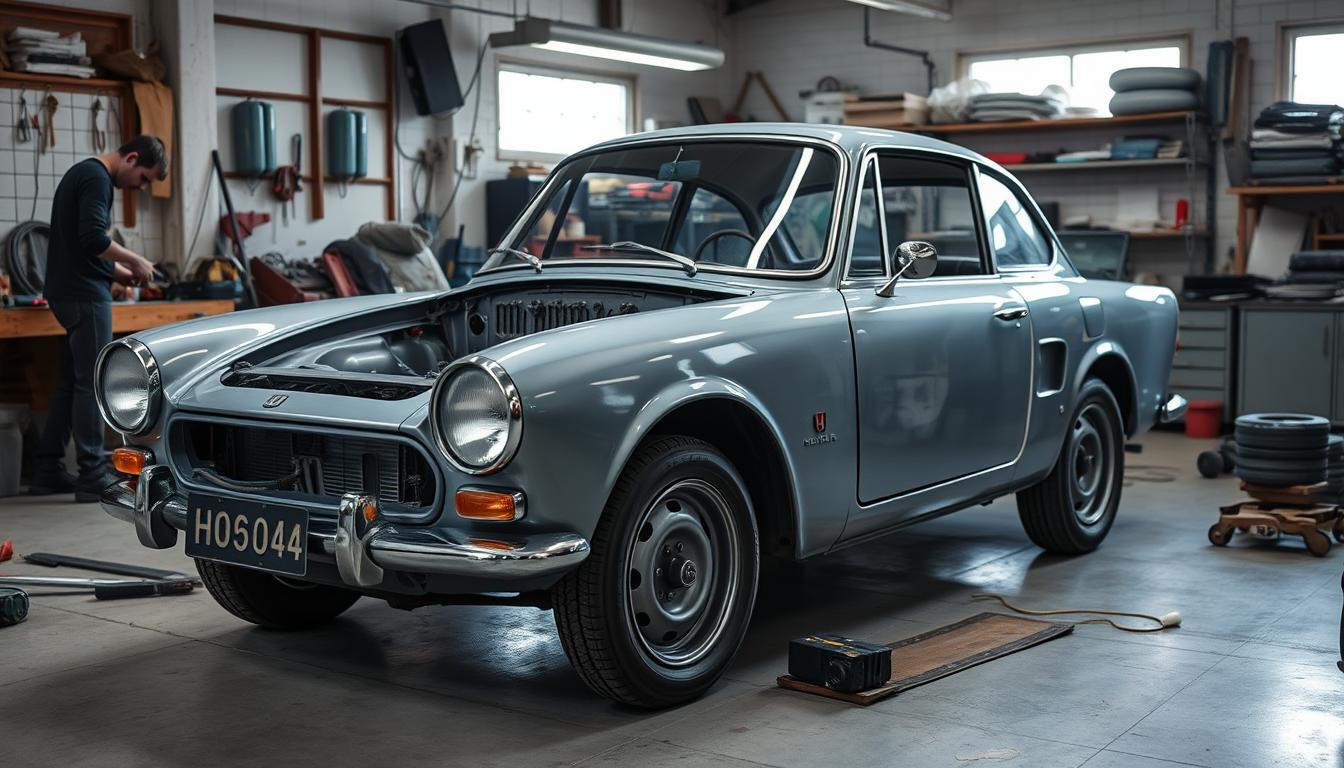
Even today, the Honda Sports hasn't lost its looks. Heavily influenced by lightweight British sports cars of the day, the S500 was the embodiment of Soichiro Honda's bold intentions. He visited the design department every second day to insist the car evolved exactly the way he envisaged it.
Although the S500 with its heavy 725 kg body had a top speed of 130 km/h, it still wasn't over-endowed with power. Well aware of this, Honda acted quickly to expand capacity to 606 cc (54.5 x 56 mm) and this new S600 then went on sale just three months after the S500 had appeared! Yet even as the S600 bowed in, Honda R&D was already hard at work on an even more powerful edition. this was to be the S800.
As for the S800, it had a maximum of over 160 km/h, thus proving it was a "great 100 mile per hour car", as Honda used to say in its adverts.
Then, in May 1966, only four months after going on sale, the S800 went through a fairly major change. Honda replaced its aluminum chain-case independent rear suspension with a simpler rigid axle secured by four links and Panhard rod.
The last of these peppy Honda Sports was the S800M. Launched in Febuary 1968, it was a more refined and luxurious upgrade of the S800. While power stayed the same at 70 ps, the S800M came equipped with things like factory auto-seek radio and big capacity heater.
When the last S800M rolled off the line in May 1970, it brought production of the whole series to nearly 25,000 cars. At that point, Honda stopped production of the Honda Sports. An era was over.
For more information and pictures, visit HondaSportsRegistry.com.
|